
Why Creating Options Matters When Work Feels Unsustainable After 50
Why Creating Options Matters When Work Starts to Feel Unsustainable After 50
Have you ever arrived at work, parked the car, and just sat there for a moment?
Not because you are lazy. Not because you cannot do the job. You know you will eventually get out, go inside and get through the day.
But for a few seconds, something in you stops.
You find yourself thinking:
How much longer can I keep doing this?
After 50, that can stop feeling like a bad morning and start feeling like a warning.
Burnout does not always look dramatic
People often imagine burnout as a complete collapse.
For many people, it looks much quieter than that.
It can be sitting in the car before work and not wanting to get out. It can be staring at a screen and realising you have done nothing for the last ten minutes. It can be becoming irritated by things you once laughed off.
It can also mean carrying work around with you after you have gone home.
The complicated part is that other people may not notice.
You can still complete the work. You can still smile, make conversation and appear to be functioning normally.
But privately, you know you have wished another eight hours of your life away.
That does not always mean you no longer want to work. It may mean you no longer want to spend the next ten or fifteen years working in the same way.
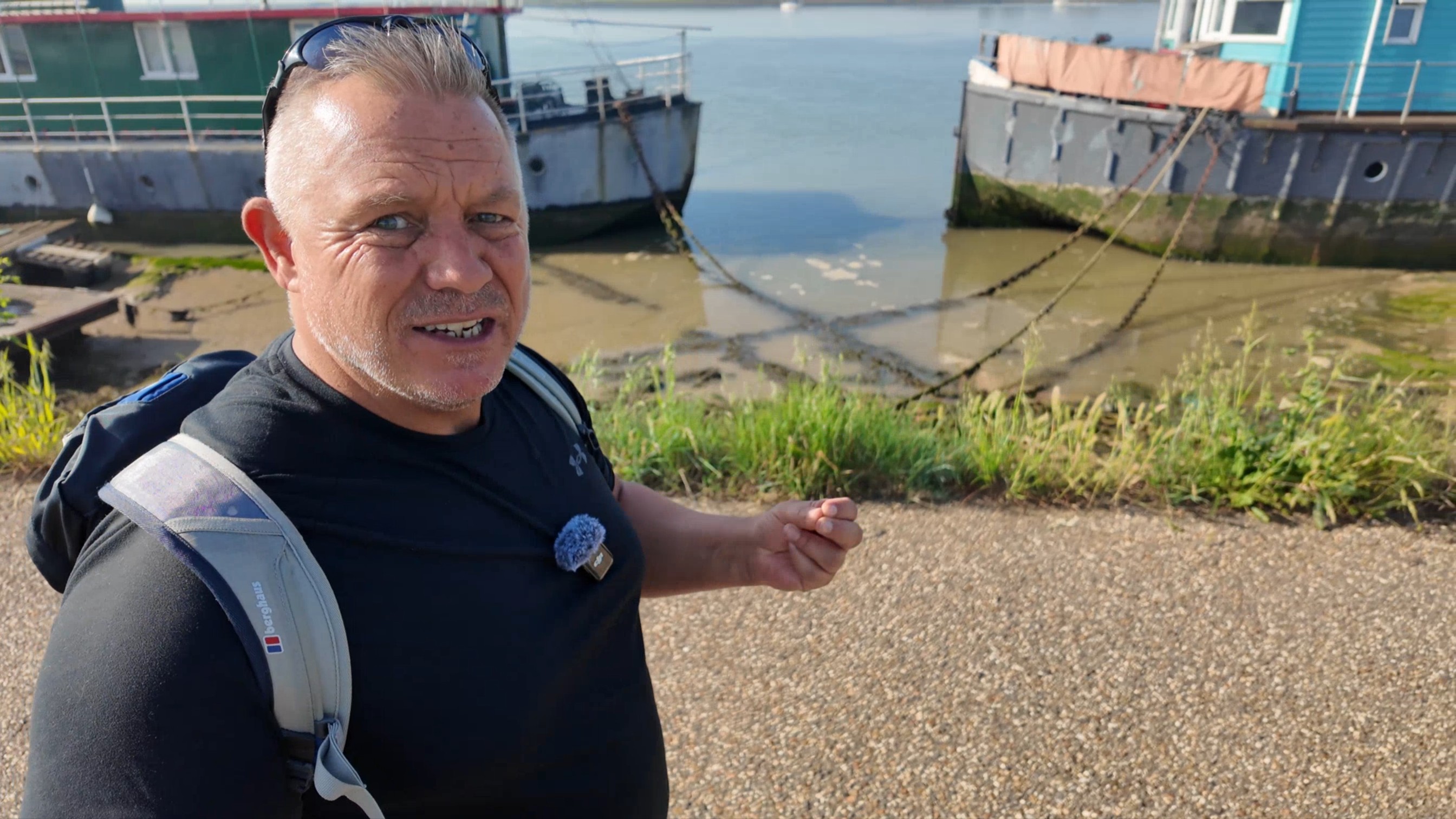
Watch the video
It is often about control, not tiredness
From the conversations I have had with people over 50, one pattern appears repeatedly.
They are not always burning out simply because they are tired.
They feel they are gradually losing control over how work feels.
That might involve:
how their time is used
whether their experience is valued
whether they have any influence over the way things are done
whether they feel part of the solution or merely part of the system
After thirty or forty years of working, those things can matter more than another promotion or a more impressive job title.
Many people are no longer chasing more.
They want their experience to count for something. They want more control over their time. They want to feel that the years ahead still belong partly to them.
Pressure makes the future look smaller
When you have been under pressure for long enough, it becomes harder to think clearly about the future.
Your options can begin to look narrower than they really are.
You may start thinking:
I need to quit, but I cannot afford to
I am too old to start again
I have no useful skills outside this career
I should stay until retirement, however long that takes
nothing can realistically change
That does not necessarily mean those thoughts are true.
Pressure affects the way you see the situation.
It can make the current job appear like the only secure option, even when there may be ways to reduce the strain without making one abrupt decision.
Creating options changes the balance
The people I hear from who have improved their situation do not all follow the same path.
Some reduce their hours.
Some change the kind of work they do.
Some move into something simpler.
Some retrain.
Some use an existing skill in a different setting.
Some build a small source of income alongside their job before deciding what comes next.
What changes first is not always their income or job title.
It is the feeling that they have options.
Once you begin creating alternatives, work no longer holds quite the same amount of power over you.
You may not be ready to leave. You may not even want to leave. You may still need the income.
But you are no longer waiting for your employer to dictate how the rest of your working life will unfold.
Your skills do not disappear when your career ends
One of the biggest barriers after 50 is identity.
After doing the same kind of work for long enough, the job can stop feeling like something you do and start feeling like who you are.
That makes it difficult to imagine yourself somewhere else.
But your skills do not disappear because you leave an office, a sales role, a bank, a factory or a corporate career.
They may simply need to be used differently.
I spent years in sales. I was used to listening to people, understanding what they needed and explaining things clearly.
When I left that career, I did not immediately know how those skills would fit into the next part of my life.
I started by buying and selling items to cover some of my costs. That gave me breathing space. It also gave me time to experiment with other things.
Eventually, I began creating videos, writing emails and speaking publicly about work pressure, health, identity and life after 50.
Four years earlier, I would not have predicted any of that.
The skills were already there. I simply had to learn how to move them somewhere else.
Small experiments are often more useful than dramatic decisions
When people feel trapped, they can believe they need one large answer.
Often, they need a smaller experiment.
That could mean:
exploring part-time work
learning a new practical or creative skill
testing whether an old skill can earn money elsewhere
starting a small side project
simplifying expenses to understand how much income is genuinely necessary
creating one day each week that is not controlled by work
A small experiment does not commit you to leaving your job.
It gives you information.
That information can reduce fear, expose unrealistic assumptions and help you understand what kind of change would genuinely improve your life.
Why I decided to study coaching and mentoring
As the Over-50 Reset audience grew, I began hearing more from people trying to make sense of their own situations.
Some were thinking about leaving work. Others were considering retirement, reduced hours, retraining or a completely different direction.
I had my own experience to draw on, but I also wanted to improve the way I supported those conversations.
That is why I completed the TQUK Level 3 Award in Coaching and Mentoring (RQF).
I did not complete it because I believe people need someone else to make their decisions for them.
I completed it because these situations are rarely simple.
Work, money, health, identity, fear and responsibility can all become tangled together. Better questions, clearer boundaries and a more structured conversation can help someone understand what they are actually dealing with.
The qualification has helped me improve my own thinking as well as the way I listen, question and structure support for other people.
These decisions cannot be rushed
Leaving work, reducing your hours, retiring, retraining or changing direction can affect the next ten or fifteen years of your life.
That is why I have become increasingly cautious about presenting one conversation as the answer.
A one-hour consultation can be useful when someone already has one defined issue, question or possible next step they want to discuss.
But broader decisions usually need time.
The first issue you notice may not be the real issue.
What sounds like “I need to quit” may actually involve:
a lack of control
poor health
financial fear
loss of confidence
boredom
identity
exhaustion
an environment that no longer suits you
Those things need to be separated before the right direction becomes clear.
Creating options gives you room to think, but you may eventually have to decide which direction deserves your attention. I explore that question in Should I Stay, Change Jobs or Retire After 50?
Why I created Next Stage
When you are questioning your work after 50, the hardest part is often not recognising that something needs to change. It is deciding what to change when work, money, health and responsibility are connected.
That is why I created Next Stage, an eight-week guided programme for people over 50 who are considering whether to stay, leave, change direction or retire. It provides a structured way to examine the constraints, explore realistic options and work towards a practical decision.
It is not designed to push anyone towards quitting. Sometimes the right answer is to stay and change something smaller. Sometimes it is to prepare for a bigger move. The important thing is to make the choice deliberately rather than carry on by default.
You can explore Next Stage and join the free waitlist if you would like to see how it works.
You may not need to quit tomorrow
Burnout does not always mean you need to stop working.
It may mean you need to stop giving all your time, energy and identity to work that is draining you.
The first step may not be resignation.
It may be learning something.
Reducing your hours.
Understanding your finances.
Testing a different use for an existing skill.
Creating one small source of income that does not belong to your employer.
The important change is that you begin creating options.
Because once you have options, the future stops feeling quite so closed.
And that may be where the next stage begins.
